Product line
Factory automation: robot cells, CNC, AGVs, vision and MES
ZeroLine turns single machines into automated production: robot cells for laser welding, cleaning, cutting and palletizing, CNC machines, AGVs and conveyors, vision inspection and MES traceability. Equipment comes from Optics Valley and other Chinese automation makers, built to one standard of PLC, safety and interface, and accepted together in Wuhan before it ships.
- Typical robot laser welding or cleaning cell, ex-works
- USD 40–150 k
- Typical build time of a custom automation line
- 3–5 months
- Interfaces to your PLCs and MES
- OPC UA · Profinet
- Same PLC, safety and HMI brands across the line
- 1 standard
From the range
Cells and machines we integrate
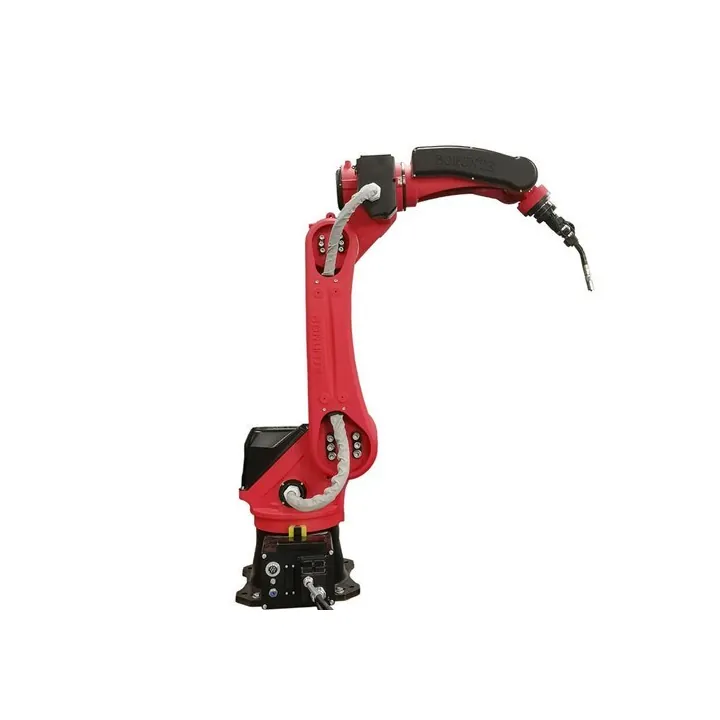
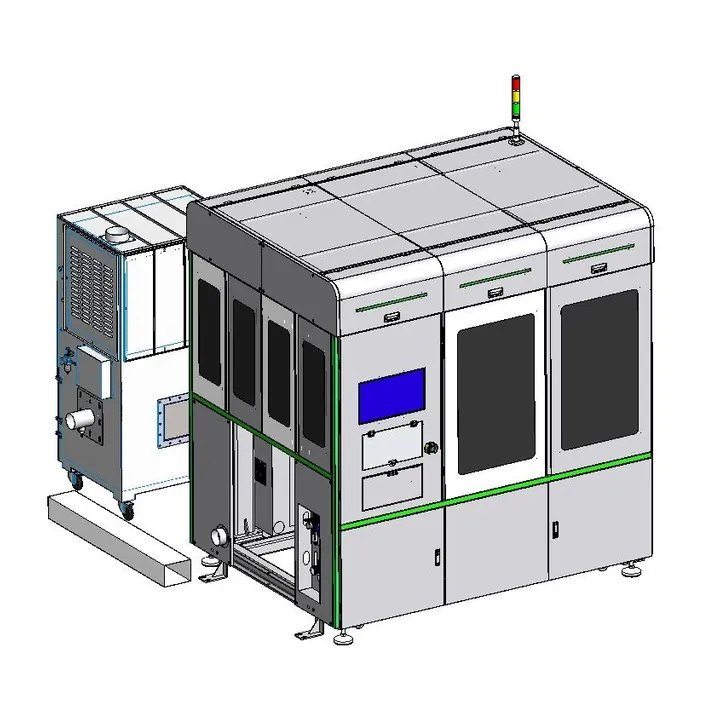
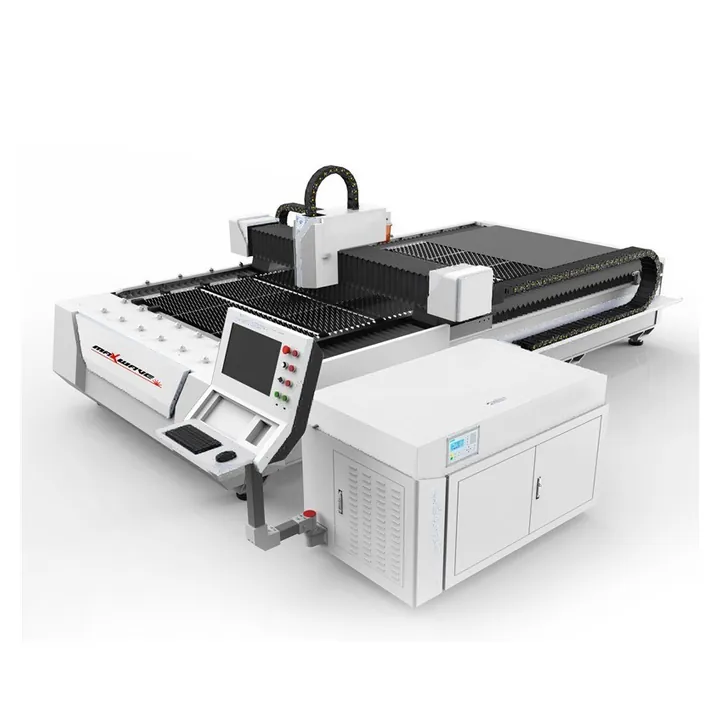
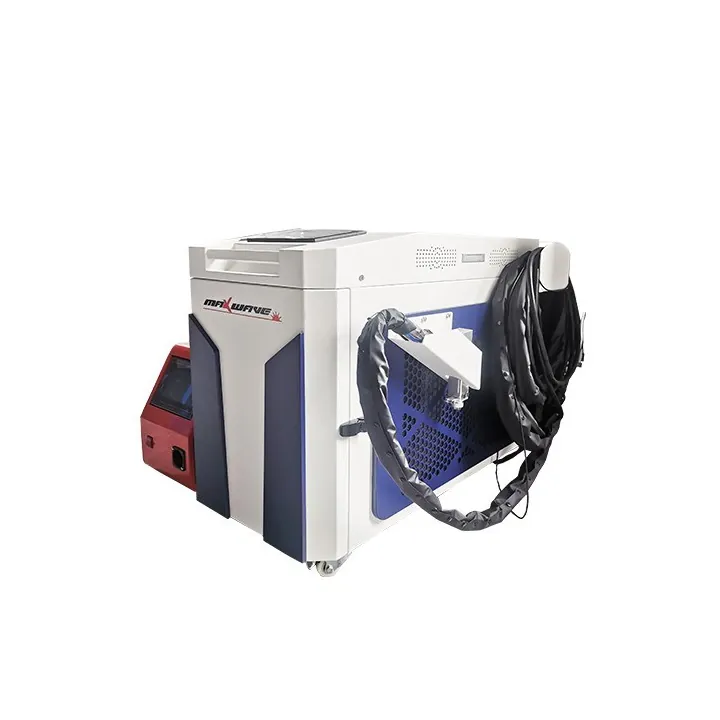
Scope
What we automate
-
Make
Robot cells
- Laser welding, cleaning and cutting cells
- Arc welding, palletizing and machine tending
- Fixtures, guarding, extraction and safety PLC
-
Make
CNC and machine tools
- Machining centres and lathes with Chinese or Western CNC
- Press brakes and punching
- Retrofit of older machines
-
Make
Material flow
- AGVs and AMRs
- Conveyors, lifts and buffers
- Automated storage for parts and finished goods
-
Sense
Vision and inspection
- 2D and 3D vision for guidance and inspection
- Weld-seam and surface inspection
- Code reading and part tracking
-
ZeroLine
MES and traceability
- Per-part and per-cell traceability
- OEE dashboards and andon
- Interfaces to your ERP
-
ZeroLine
Standards and safety
- CE machinery documentation and risk assessment
- Your preferred PLC and safety brands written into the specification
- Manuals and drawings in English
How it runs
How an automation project runs
- 01
Process and target
Parts, cycle time, today’s staffing and the quality you need.
Week 1
- 02
Concept and simulation
Cell layout, takt calculation, robot reach study and a priced proposal.
Weeks 2–4
- 03
Build
Fixtures for your parts, integration and software in Wuhan.
Typically 3–5 months
- 04
Acceptance
Your parts run at takt before crating; you watch live or on video.
1–2 weeks
- 05
Install and train
Installation, commissioning and training on your site.
Typically 2–6 weeks
Projects
Typical projects
The scope, scale and schedule of projects like this. Ask us for references in your country.
- Representative case
From plasma and TIG to fiber laser: a sheet-metal job shop in Central Europe
A 35-person shop stopped outsourcing stainless cutting and welds thin stainless about four times faster, with a smaller laser than it first asked for.
- Cutting
- 2.2 kW fiber, 1500 × 3000 mm
- Welding
- 2 × 1.5 kW handheld
- Weld finishing
- 200 W pulsed cleaner
- Order to production
- 12 weeks
- Sample tests on six parts
- Cutter, welders, cleaner
- Fume extraction
- EU documents
- Installation and training
- Representative case
Pulsed laser cleaning for tyre moulds in South Asia
A tyre plant moved mould cleaning from off-line dry-ice blasting to laser cleaning in the press, and cut press downtime per mould from about 4.5 hours to 1.5.
- Machines
- 2 × 200 W pulsed
- Where
- In the press, while hot
- Downtime per mould
- ≈ 1.5 h instead of ≈ 4.5 h
- Order to site
- 4 weeks
- Tests on mould segments
- Pulsed laser cleaners
- Laser-safety plan
- Training on three shifts
- Wear parts
- Typical scope
Sheet-metal workshop: cut, bend, weld, finish
A job shop moving from plasma and TIG to fiber laser cutting and handheld laser welding.
- Cutting
- 6 kW fiber laser, exchange table
- Forming
- 2 CNC press brakes
- Welding
- 2 handheld laser welders
- Schedule
- ≈ 8–12 weeks to production
- Sample tests on customer parts
- Shop layout and utilities
- Laser cleaning for weld prep
- Fume extraction
- Installation and training
Typical markets · Middle East, Eastern Europe, Latin America
Services
Services that come with it
- Sample testing Your part, processed in Wuhan on the machine we would quote.
- Factory acceptance and inspection Nothing ships before it has run. You watch the test, then you pay.
- Installation and training Engineers on your site until it runs at rate, and a team that can run it after.
- Spare parts and support Spare parts, video support, service partners and upgrades for the life of the equipment.
FAQ
Questions buyers ask
How much does a robot laser welding cell cost?
Typically USD 40,000–150,000 ex-works, depending on laser power, robot reach, fixtures, positioners, vision and safety. A handheld welder costs far less; a cell pays off when volumes are steady and the joint repeats.
Can you use our preferred PLC and robot brands?
Yes. We write your brand list into the specification (for example Siemens, Rockwell or Mitsubishi PLCs, or a robot brand you already maintain), or propose Chinese brands that cut cost and lead time.
Do the cells come with CE documentation?
For European and other CE markets, yes: risk assessment, declaration of conformity and the technical file for the machine as delivered. Other markets get the documents their rules require.
Start a project
Automate a process
An empty plant, a part, a network or a product idea. Tell us where you are starting. An engineer replies with a plan and a quote.
- Emailsales@zerolineai.com
- WhatsApp+44 7762 362563
- OfficeWuhan, Hubei, China