Product line
SKD and CKD assembly kits: storage cabinets, battery PACKs, patch cords and laser machines
ZeroLine supplies semi- and completely-knocked-down (SKD and CKD) kits so you can assemble in your own country before you build a full line: storage racks and cabinets with cells, BMS and wiring; battery modules and PACKs; patch cords and pigtails terminated locally; laser machines finished from sub-assemblies. Every kit comes with a numbered bill of materials, work instructions, test limits and training.
- Storage and PACK, fiber connectivity, laser machines
- 3 families
- One cabinet kit: 260 LFP cells of 314 Ah in series
- ≈ 261 kWh
- Typical team in a first cabinet-assembly hall
- 10–30 people
- Every part numbered, counted on video before the carton is sealed
- 1 BOM
From the range
What you assemble
-
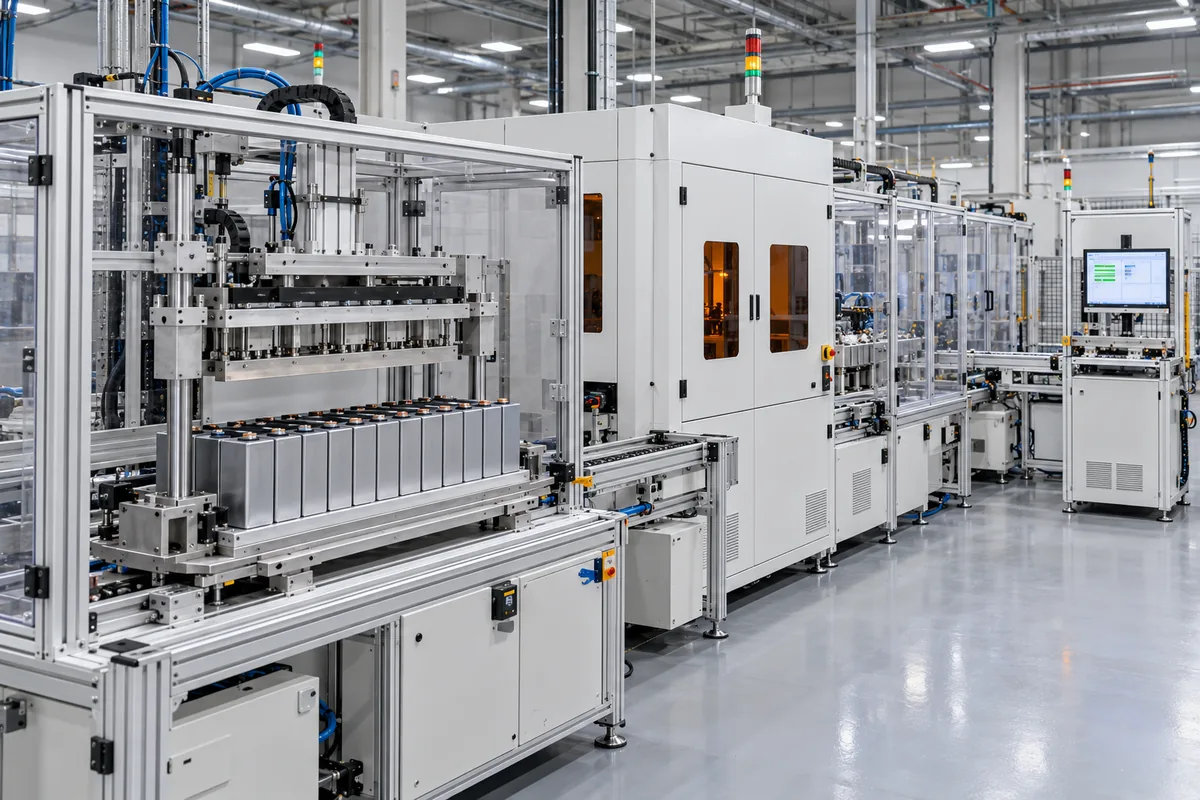
Battery module assembly -
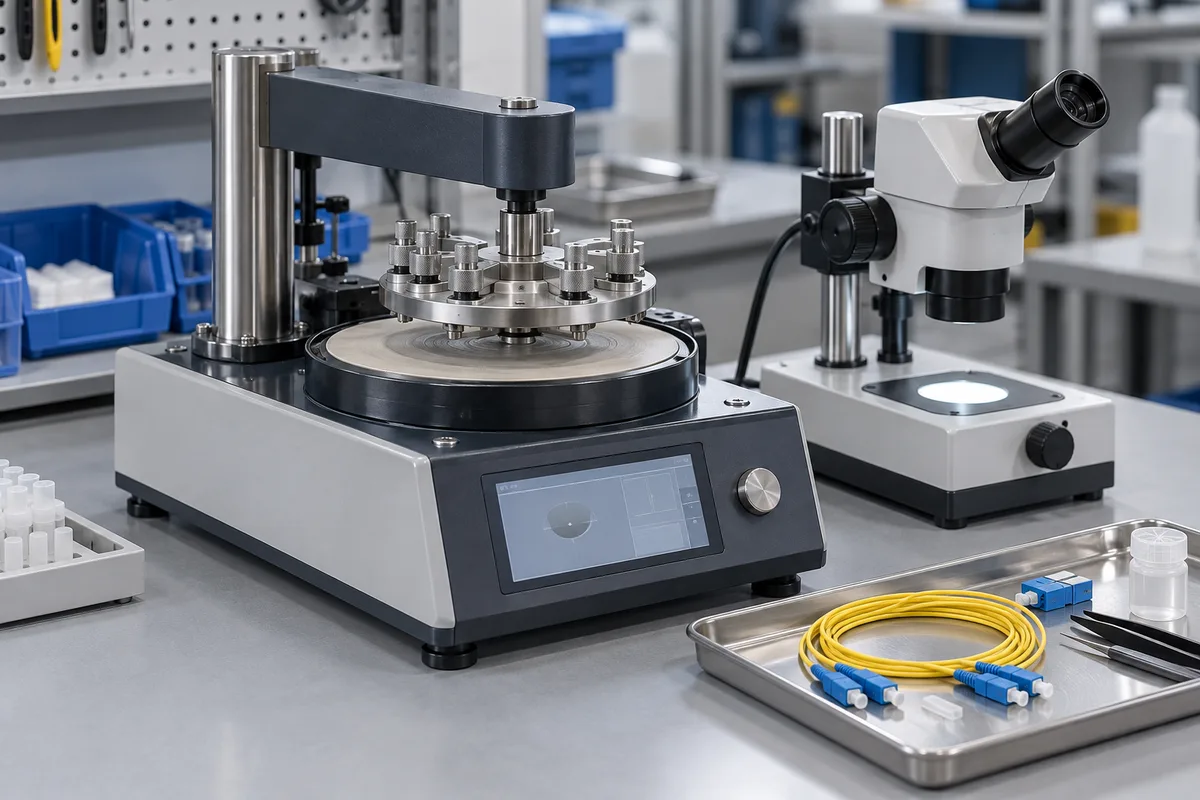
Connector polishing and inspection -
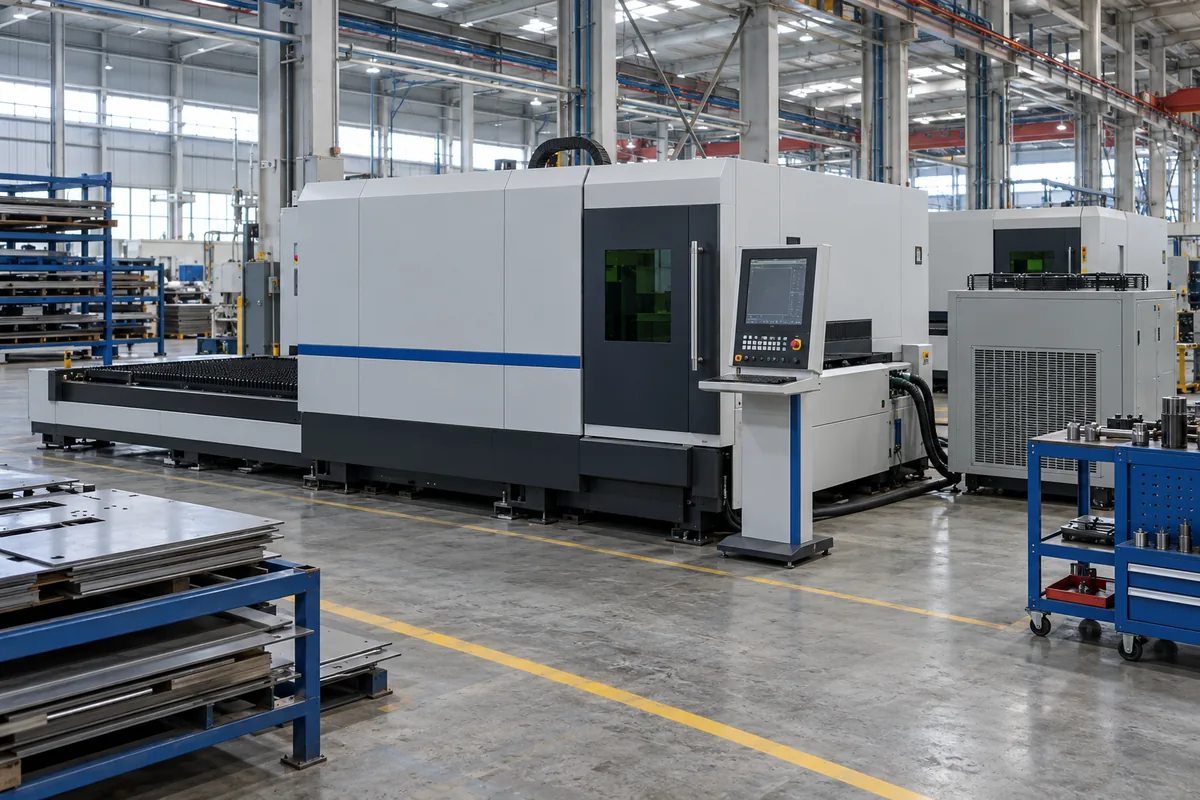
Laser cutting equipment
Scope
Kits we supply
-
Power
Storage cabinet and rack kits
- Cells or finished modules, BMS, busbars and harnesses for 100–261 kWh cabinets
- Racks, enclosures, liquid- or air-cooling units and fire-detection parts
- SKD: modules ready to rack and wire. CKD: cells and parts to build the modules
-
Power
Battery module and PACK kits
- Cells, end plates, busbars, cell-contact systems and BMS boards for your module design
- Pack housings, cooling plates, thermal pads and connectors
- The same parts feed a Stratavolt PACK line when your volume pays for one
-
Connect
Patch-cord and pigtail kits
- SC, LC and MPO connector parts, ferrules and boots; simplex, duplex and ribbon cord
- Epoxy, polishing films and cleaning supplies, matched to your connector
- A termination bench: polishing machine, end-face microscope and IL/RL tester
-
Connect
FTTH distribution kits
- Closures and access terminals with splitters, adapters and pigtails to fit locally
- Pre-terminated drops and wall outlets in the lengths of your rollout
- Labels and port maps in your network’s numbering
-
Make
Laser machines from sub-assemblies
- Handheld welders and cleaners as laser source, gun, chiller and cabinet
- Cutting machines as bed, gantry, source and control cabinet
- Final alignment, safety check and power test with our technician, on site or on video
-
ZeroLine
With every kit
- Numbered bill of materials and exploded drawings
- Work instructions, torque values and test limits in English
- Tooling and fixture list, and first-article inspection with our engineer
How it runs
How a kit programme runs
- 01
Local-content target
The rule you must meet, the duty on kits versus finished goods, and the certificates your market asks for.
Weeks 1–2
- 02
Kit split
What we ship assembled, what you assemble and what you buy locally, as one numbered bill of materials.
Weeks 2–4
- 03
Pilot kit
Your team assembles the first unit with our technician; first-article test against the agreed limits.
- 04
Series kits
Each lot counted against the BOM on video and packed by assembly step; cells ship as Class 9 dangerous goods.
Typically 3–6 weeks by sea
- 05
Scale up
More parts made or bought locally each year, then your own PACK line or cable plant when volume pays for it.
Projects
Typical projects
The scope, scale and schedule of projects like this. Ask us for references in your country.
- Representative case
8 PPM module and PACK line for a storage integrator in the Gulf
An integrator that imported finished PACKs moved assembly into its own hall: one 55 m line built for a 60 Hz grid, first PACK about six months after contract.
- Output
- ≈ 2.4 GWh a year, two shifts
- Takt at site acceptance
- 8.0 PPM over 72 h
- First-pass yield
- 99.3 % (equipment)
- Contract to first PACK
- ≈ 6 months
- Cell test and sorting
- Busbar laser welding
- PACK assembly and EOL
- MES link
- Pulsed laser cleaner
- Installation and training
- Typical scope
8 PPM energy-storage module and PACK line
A fully specified prismatic line for a storage integrator moving PACK assembly into its own market.
- Output
- ≈ 2.46 GWh a year (314 Ah)
- Stations
- 21 in three segments
- Footprint
- 55 × 9 × 3.5 m
- Schedule
- ≈ 5–7 months to production
- Cell test and sorting
- Stacking and busbar laser welding
- PACK assembly
- EOL and air-tightness test
- MES
- Installation and ramp-up
Typical markets · Gulf states, India, Southeast Asia
- Typical scope
Semi-automatic PACK line for C&I storage
A smaller line with manual and semi-automatic stations, for commercial and industrial storage cabinets at lower volume.
- Output
- ≈ 0.2–0.5 GWh a year
- Stations
- ≈ 10–14
- Staff
- ≈ 12–20 per shift
- Schedule
- ≈ 3–5 months to production
- Cell sorting
- Manual stacking with fixtures
- Laser welding station
- PACK assembly
- EOL test
- Operator training
Typical markets · Africa, Latin America, Central Asia
Services
Services that come with it
- Factory acceptance and inspection Nothing ships before it has run. You watch the test, then you pay.
- Shipping and compliance Export documents, crating, one consolidated shipment, and the papers your market needs.
- Installation and training Engineers on your site until it runs at rate, and a team that can run it after.
- Spare parts and support Spare parts, video support, service partners and upgrades for the life of the equipment.
FAQ
Questions buyers ask
What is the difference between SKD and CKD kits?
A semi-knocked-down (SKD) kit arrives as major sub-assemblies, for example finished battery modules that you rack, wire and test. A completely-knocked-down (CKD) kit arrives as parts, for example cells, busbars and end plates that you build into modules. CKD adds more local value and needs more tooling and skills. Our kits start from finished, tested cells; cell-making equipment and LFP process technology are outside our scope.
Do kits pay less import duty than finished products?
Not automatically. Under rule 2(a) of the Harmonized System, a complete article presented unassembled is normally classified as the finished article. Lower duty comes from your country’s assembly or CKD schemes, local-content programmes, or a kit split in which some parts are made or bought locally. We check the rules for your product and country before we fix the split.
Does a cabinet assembled in our plant keep the maker’s certificates?
Not on its own. A certificate covers a design and the sites where it is built: UL, for example, inspects every location where a certified product is assembled or labelled. Your plant is usually added to the certification, or the locally assembled product is tested on its own. We plan this into the programme and introduce the test labs.
How are kits with lithium cells shipped?
Cells and modules travel as Class 9 dangerous goods (UN 3480) with their UN38.3 test summary. Racks, enclosures, cooling units and wiring travel as ordinary cargo, so only part of the shipment needs dangerous-goods handling. Each quotation states the route and packing.
How much space and how many people does an assembly hall need?
Typically a small hall and 10–30 people to assemble storage cabinets, and a bench with two to four people to terminate patch cords. We size the hall, tooling and staffing with you and train your team in Wuhan or on site.
What happens when our volume grows?
You move from SKD to CKD, then to your own line: a Stratavolt module and PACK line or an optical cable plant. The parts you bought as kits continue under a supply agreement, so the plant never waits on China.
Start a project
Plan your first assembly kit
An empty plant, a part, a network or a product idea. Tell us where you are starting. An engineer replies with a plan and a quote.
- Emailsales@zerolineai.com
- WhatsApp+44 7762 362563
- OfficeWuhan, Hubei, China